Life After Ayahuasca: What Really Happens (And Why It’s Normal)
When ceremony ends, you return to your everyday life.
The container that held you is gone.
The taita is gone.
The retreat community disperses.
And you’re left with whatever the medicine opened in you, sitting alone in your apartment, wondering:
Is this actually healing… or am I destabilized?
This is where the ayahuasca narrative usually breaks.
Retreat marketing promises clarity.
Testimonials promise transformation.
Facilitators promise “integration.”
What rarely gets spoken about is what happens after the afterglow — in months two through twelve, when the ceremony is over but life keeps demanding you show up.
This article is for people 1–12 months after ayahuasca who feel confused, disappointed, emotionally raw, or lost.
That experience is far more common than glossy success stories suggest — and it doesn’t mean you failed.
Why Life Can Feel Harder After Ayahuasca
One of the most disorienting realities people report is this:
Life often gets harder before it gets better.
Weeks or months after ceremony, some people feel:
- more anxious than before
- emotionally unstable
- depressed
- disconnected
- overwhelmed by everyday life
This isn’t rare. A 2023 mixed-methods study of over 600 people who experienced extended difficulties after psychedelic use found that emotional distress lasting weeks or months was the most common outcome — including anxiety, panic, depression, paranoia, and suicidal ideation.
Ayahuasca opens doors quickly.
Your nervous system doesn’t integrate at the same speed.
This is what integration therapists mean when they say “too much, too fast, too soon.” The medicine opens you up — then leaves. What happens next depends entirely on your support, structure, and capacity.
Many people return straight to:
- the same job
- the same relationships
- the same stressors
…but now they’re emotionally raw.
You’ve just undergone something closer to psychological surgery, and you’re expected to function at full capacity immediately. That’s not integration. That’s overload.
A common timeline looks like this:
- Days 1–7: clarity, connection, relief (the afterglow)
- Weeks 2–4: anxiety rises, old patterns resurface
- Months 2–3: emotional instability or disappointment
- Months 4–6: identity confusion, loneliness, questioning everything
If you are still within the first few days after ceremony and feel raw or disoriented, your priority is stabilization, not meaning. Start with What to Do After an Ayahuasca Ceremony (First 72 Hours) before continuing here.
None of this means the medicine harmed you.
It means you’re integrating without a container.
When Ayahuasca Doesn’t Give Answers
Another rarely discussed experience:
nothing happens.
Around 15% of first-time participants report little to no noticeable effect during ceremony. No visions. No insights. No breakthrough.
That can create shame:
- Did I do something wrong?
- Am I blocked?
- Why did it work for everyone else?
The truth is simple and uncomfortable:
sometimes the medicine doesn’t activate, and it isn’t personal.
Effects depend on:
- brew strength
- digestion
- genetics
- nervous system state
- preparation
- timing
Even experienced practitioners sometimes have quiet ceremonies.
There’s also something called the delayed non-effect — when nothing happens in ceremony, but emotional material surfaces days or weeks later. The medicine isn’t always dramatic. Sometimes it’s subtle and slow.
Still, for some people, the first ceremony genuinely does nothing. That grief — seeking healing and meeting silence — is part of the integration landscape nobody prepares you for.
Why People Feel Lost After Ceremony
Beyond emotional turbulence, many people experience something deeper:
identity disorientation.
Common reflections sound like:
- “My old life doesn’t fit anymore.”
- “I don’t know who I am now.”
- “I feel disconnected from people I used to relate to.”
Ayahuasca can dissolve the structures that once held your identity together. You may see clearly what’s untrue in your life — but clarity doesn’t automatically provide a path forward.
This is where people are most vulnerable.
Emotionally raw, some make impulsive decisions:
- quitting jobs
- ending relationships abruptly
- moving countries
- attaching to new spiritual groups that promise certainty
Some of these choices are right.
Many are trauma responses dressed up as insight.
Without grounding and community, clarity turns into isolation.
This is why integration is not optional — and why ceremonial insight without structure often leaves people unheld.
What Integration Failure Actually Looks Like
Not everyone simply struggles and stabilizes. Some people get stuck.
Common patterns include:
Chasing Ceremony
“I just need one more ceremony to understand.”
Repeated ceremonies become a coping strategy rather than a healing process. Temporary relief is followed by emotional crashes, creating a loop that resembles addiction more than integration.
Spiritual Bypass
“All of this is just the medicine working.”
Emotional volatility gets reframed as purification. Responsibility disappears. Relationships suffer.
Burnout from Inner Work
Constant journaling. Constant processing. Endless workshops. Six months later: exhaustion, not healing.
Impulsive Life Changes
Major decisions made while dissociated, not grounded.
The common thread:
integration becomes another way to avoid living.
True integration is slow, boring, relational, embodied — and deeply unglamorous.
The 3-Month After Ayahuasca Phase: When the Glow Wears Off
For many people, month three is the breaking point.
Here’s why:
- The afterglow fades
- Neurochemical support stabilizes
- Old habits return
- Motivation feels forced
Research shows that early personality and mood improvements often attenuate by three months. People feel like they’re “back to square one.”
This leads to painful questions:
- Was it all just a feeling?
- Did I waste my time and money?
- Why can’t I sustain this?
This is where many people either:
- book another ceremony
- or spiral into disappointment
In reality, this phase marks the beginning of real integration, not the failure of it.
Ayahuasca doesn’t install permanent change.
It creates a window.
What you build afterward determines what lasts.
One Year After Ayahuasca: What Actually Sticks
When you look at people one year out, patterns become clearer.
Long-term studies show:
- lasting benefits for people with diagnosed depression or anxiety
- less dramatic effects for people without prior mental health challenges
- reduced neuroticism, but not increased discipline
In simple terms:
ayahuasca may soften emotional reactivity — it doesn’t make life effortless.
People who integrated well report:
- greater emotional tolerance
- clearer values
- less self-loathing
- quieter minds
But these changes came through daily practice, not ceremony alone.
Others report burnout, resentment, or confusion — especially when they kept chasing the experience instead of building a life around what was revealed.
Most people fall somewhere in between.
Why Ceremony Without Structure Leaves People Unheld
Here’s the uncomfortable truth:
Most retreats are not designed to support long-term integration.
The typical model:
- ceremony
- morning sharing
- goodbye
No follow-up.
No check-in at month three.
No support during identity collapse.
Research consistently shows that ongoing support dramatically reduces adverse outcomes.
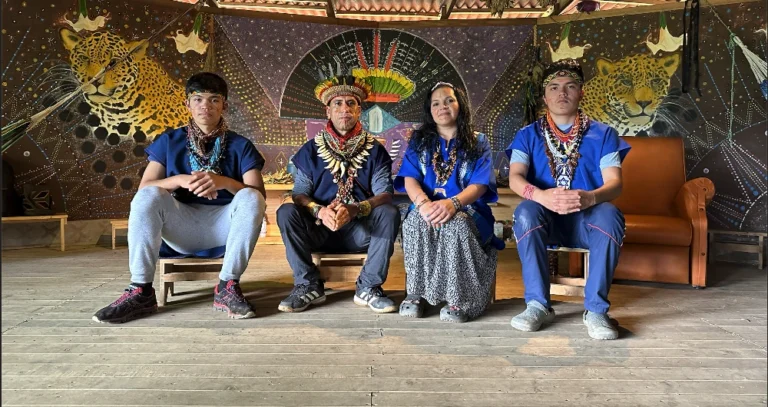
At Camino al Sol, this is why ceremony is never treated as a standalone event. It’s held within lineage-based structure, preparation, and post-ceremony integration rooted in Indigenous practices like the Circle of the Word, supported by grounding medicines such as mambe and ambil — not as accessories, but as containers for responsibility and clarity.
If you’re seeking context on how ceremony is traditionally held within structure and dialogue, see:
https://yaogara.com/circle-of-word-mambe-ambil-indigenous-dialogue/
And if you’re considering ceremony itself, this page explains how responsible retreats are structured in Colombia:
https://yaogara.com/ayahuasca-retreat-colombia/
What Actually Helps After Ayahuasca
From people who stabilized and integrated well, the answers are consistent:
Somatic Grounding
Your body needs to come back online.
Walking, yoga, massage, breathwork, cold water, time in nature — these are not optional extras. They regulate your nervous system.
Community
Isolation worsens everything.
Whether it’s an integration circle, trusted friends, or others who understand plant medicine without romanticizing it — you need humans.
Trauma-Informed Therapy
Especially if you have a trauma history. Ayahuasca surfaces what was buried. Integration therapy helps you digest it.
Routine
Sleep. Food. Movement. Structure.
Not because it’s spiritual — because it’s stabilizing.
Time
Most importantly: don’t rush back into ceremony. More intensity rarely fixes integration overload.
The Reframe You Actually Need
Ayahuasca didn’t promise you permanent bliss.
It offered clarity.
Integration is what you do with that clarity when:
- no one is watching
- nothing feels mystical
- life keeps demanding responsibility
Feeling lost months later doesn’t mean you failed.
It means you’re integrating something real.
With the right support — community, grounding, time — stability returns. Meaning emerges slowly. And life begins to reorganize itself around what you’ve learned, not what you experienced.
That’s the real work.
And it happens after the ceremony ends.